
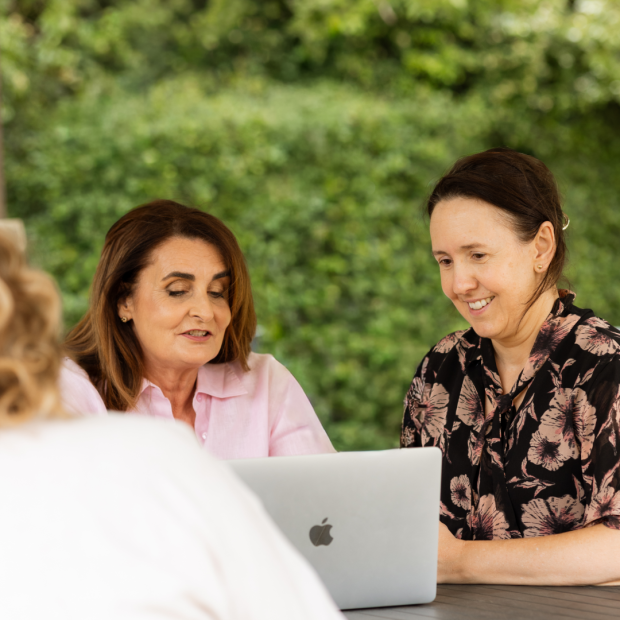
Susan had been managing at home for some time, supported by friends and a Support at Home package. But gradually, everyday routines became harder, confidence slipped, and living alone began to feel less safe. For her lifelong friend and decision-maker, Helen, concern grew quietly – until a fall forced difficult decisions to the surface. With the right guidance, what could have been rushed and distressing became a calm, supported transition that prioritised dignity, familiarity, and connection.
When living at home is no longer enough
Susan had been living in her apartment with a Support at Home package and strong informal support from friends. Over time, however, her cognitive impairment progressed. She began to struggle with everyday tasks, personal safety, and decision-making. Social connections narrowed, and her confidence declined.
Following a fall and hospital admission, Susan was reviewed by her geriatrician. The advice was clear: her cognitive decline would continue, and she now required permanent residential aged care. Many families reach this point after a period of supported living at home. Understanding the pathway into residential aged care can help reduce uncertainty and rushed decisions.
Helen suddenly needed to understand the aged care system – quickly – while making significant decisions under emotional and time pressure. She contacted Aged Care Conversations (ACC) for independent, commission-free support.
Why aged care transitions feel overwhelming
Moving into residential aged care is not just about finding a place. Families are often managing hospital discharge pressures, uncertainty about dementia progression, confusion about respite versus permanent care, paperwork and deadlines, and the emotional weight of “making the wrong choice”.
Without clear guidance, people can feel overwhelmed – and risk making rushed decisions that are hard to undo.
How Aged Care Conversations supported Susan and Helen
Starting with the person, not the placement
ACC worked closely with Helen and Susan to understand current and future care needs, how dementia affected daily life, what environments best supported wellbeing, what mattered most day to day, and the importance of staying close to trusted friends.
This ensured decisions were person-centred, not availability-driven.
Clarifying the residential aged care pathway
ACC provided clear, step-by-step guidance on eligibility and referral codes, the difference between respite and permanent care, how hospital discharge and aged care admissions intersect, and what paperwork was essential – and what could wait. This clarity reduced stress and helped Helen feel informed and confident.
Using respite as a supported transition
Rather than an abrupt permanent move, ACC recommended residential respite as a trial. Respite allowed a gentler introduction to residential living, time to become familiar with staff and routines, and reassurance that the home could meet Susan’ s needs – easing anxiety for both Susan and Helen.
The outcome: a calmer transition into care
Susan moved into residential aged care in a way that respected her dignity, safety, and relationships. For Helen, the relief came not just from finding a place, but from knowing the transition had been handled thoughtfully and well.
Why independent aged care advice matters
This case highlights why many families choose independent support: the system is complex, decisions are time-critical, and emotional stress can cloud judgement. At Aged Care Conversations, we help older people and families plan ahead and navigate aged care transitions with clarity and confidence.
Need help navigating residential aged care?
If you’re supporting someone after hospital discharge, considering respite or permanent care, or feeling overwhelmed by the aged care system, you don’t have to do this alone. At Aged Care Conversations, we support families in different ways – so you can choose what feels right:
- Curated resources, including our Residential Aged Care Guide
- Aged Care School, with expert-led education on finding and choosing an aged care home
- Individualised support, tailored to your situation