
Understanding Your Aged Care Options
Aged care in Australia comes down to a few main paths: help at home, retirement or assisted living, and residential (nursing home) care. Which one fits depends on the level of care needed, the finances involved, and what matters most to the person. The system is full of acronyms and rules, and most older people and families are working it out for the first time, often under real pressure.
We break it down into plain language, so you understand what exists and which aged care options may suit your situation, without the sales pitch. Because we’re paid by you and not by providers, the path we point to is the one that’s right for you and your family.
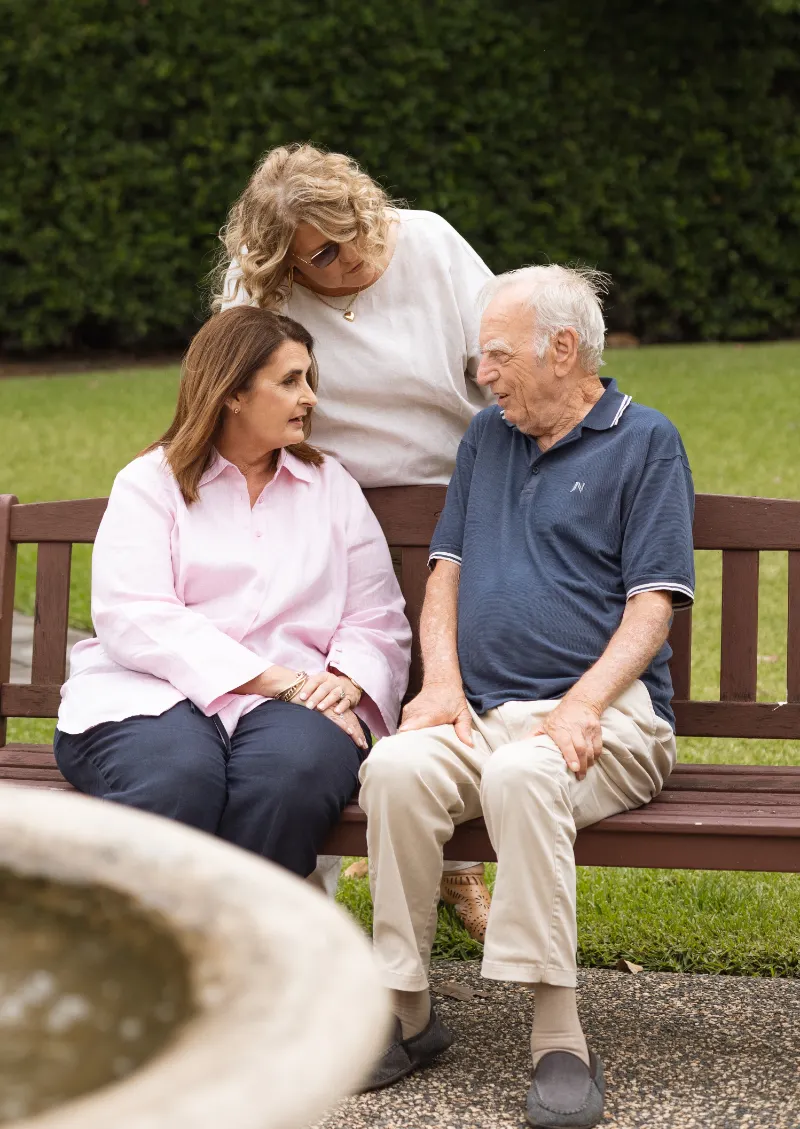
Here’s the landscape at a glance.
Many people end up combining a few of these over time.
|
Option
|
Best for
|
How it’s funded
|
|---|---|---|
|
Staying at home with help
|
Staying in your own home with help for cleaning, personal care, nursing or allied health
|
The Support at Home program, which replaced Home Care Packages in November 2025. Means-tested contributions apply to independence and everyday living services; there is no contribution for clinical care. The Commonwealth Home Support Programme (CHSP) covers entry-level help.
Private home care is also available. |
|
Retirement & assisted living
|
Downsizing into a community with independence and optional support available
|
Private. You pay entry, ongoing and exit costs. This is not government-funded aged care, but residents can still receive Support at Home services.
|
|
Residential aged care
|
Around-the-clock care when home is no longer safe or manageable
|
Accommodation payment (RAD, DAP or a combination), basic daily fee, and means-tested hotelling and non-clinical care contributions. Clinical care is government funded.
|
|
Respite & short-term care
|
A short break for carers, or recovery after hospital
|
Government-subsidised respite at home or in residential care, and short-term restorative support through Support at Home
|
A quick comparison of the main aged care pathways in Australia. Figures and Eligibility depends on your aged care assessment; what you pay depends on a separate means assessment. See Understanding Aged Care Costs.
Eligibility depends on your aged care assessment; what you pay depends on a separate means assessment. See Understanding Aged Care Costs.
How the aged care system actually works
Almost every government-funded option starts the same way: with My Aged Care and an assessment. Here is the short version of the path most older people and families follow.
This is the government’s front door, online or by phone on
1800 200 422.
Under the Single Assessment System, which replaced ACAT assessments, an assessor works out what support is needed. Assessments can happen in person, by phone or by telehealth, including in hospital.
This may be a Support at Home classification, a short-term pathway such as restorative care, respite, or residential care.
Ongoing Support at Home funding is released through a national priority system, so there can be a wait between approval and services starting.
Once Support at Home funding is allocated, there are 56 days to choose a provider. Missing that deadline means the funding is withdrawn and the person goes back into the queue. For residential care, this is when you compare homes and understand the fees. It is where most older people and families feel stuck, and where we help most.

Common mistakes when choosing aged care
The best time to understand your options is before a fall or a hospital discharge forces a rushed decision.
Most options blend government funding and personal contributions, and what you pay depends on a means assessment.
You can compare, and you should. Independence matters here.
ACAT, RAD, DAP, CHSP, Home Care Packages, Support at Home: it’s a lot, and the names keep changing. You don’t have to memorise it.

Frequently Asked Questions
What are the main types of aged care in Australia?
Government-funded aged care comes in two main forms: support at home (help to keep living independently) and residential aged care (24-hour care in a home), with respite for short breaks. Many people also consider retirement or assisted living, which is privately funded and sits outside the aged care system. Which suits you depends on care needs, finances and an assessment through My Aged Care.
What happened to Home Care Packages?
Where do I start with aged care?
Do I have to pay for aged care advice?
How long does it take to get aged care?
It depends on the type of care and your assessment outcome. Some home support can start quickly; ongoing Support at Home funding and residential places can involve a wait. We can’t promise a timeframe, but we can help you plan around it.
Can you help if we’re in the middle of a hospital discharge?
Yes. Hospital discharges are a common reason people call us. We help you understand the options quickly and calmly so you’re not pressured into a decision that isn’t right.
Is Aged Care Conversations part of the government?
No. We’re an independent advisory service. We’re not a government body, not a provider, and not a placement broker paid by homes. We work for you.

Why older people and families choose Aged Care Conversations
Our guidance comes from people who have worked inside the system and still do. Louise Greene is a Registered Nurse with an MBA and more than 40 years in health and aged care across clinical, executive, consulting and board roles, including chairing clinical governance committees. Kerry Mann is a former CEO in aged care and retirement living, holds an MBA, and has board experience including Ageing Australia’s NSW/ACT State Member Council.
How much we do is up to you. Some people want a single conversation to get their bearings. Others want us to manage the whole process, from the assessment through to finding and securing a place in the right home, with regular updates along the way.
We’re independent. Older people and families pay us directly, and we take no commissions from aged care homes, retirement villages or providers. When we help with placement, we’re working for you: homes pay us nothing. Where we introduce a partner, it’s on merit, with no fee in either direction. People come to us in the hardest weeks and leave with a clear plan and a person to call.